Pool Care Across Lakewood Park FL Mature Neighborhoods
What Mature Lakewood Park Pools Need That Newer Builds Skip
Backyard pools across Lakewood Park sit on some of the longest established lots in unincorporated St. Lucie County. Most of the housing stock dates to the 1960s, 1970s, and 1980s, and many of the original gunite shells have been resurfaced once or twice without the equipment pad receiving the same updates. That pattern creates a specific service profile that newer construction across the Treasure Coast does not share. Plaster age, tile line condition, deck cracking, original light fixture corrosion, and the gap between modern equipment expectations and the wiring that supports them all show up here. Heavy oak and pine canopy across the neighborhood adds another layer. Pollen events run longer, debris loads are higher, and tannin staining from leaves and seed pods becomes a recurring chemistry problem if it is not addressed at the source. Year round subtropical heat keeps chlorine demand high, and older pools with worn plaster surfaces can hold algae deeper in micro pits than newer finishes. Pool service across these lots has to take all of that into account. Generic weekly cleaning that ignores the age of the pool ends up fighting the same problems every month, while a service approach that respects the way these pools actually age keeps water clear and equipment lasting.
Service Approach for Aging Plaster, Pumps and Salt Cells
Many Lakewood Park homes have wide lots, mature landscaping, and older screen enclosures that have seen storm damage over the years. Some pools sit fully open under the oak canopy, which changes the debris pattern again. Falling acorns, oak catkins, and Spanish moss pile up in skimmer baskets, and brushing routines have to work around tannin staining that can set in fast on weathered plaster. Filter run times often need to extend during heavy debris weeks, and cartridge cleaning happens more often than the manufacturer specs suggest. Salt systems on these pools are usually retrofits onto original chlorine plumbing, which means the cell sizing, controller wiring, and bonding all need a closer look than a factory built modern system. Pump motors are sometimes on their third or fourth replacement, and the pad wiring shows the patches. Our crews account for all of this rather than treating an older pool like a brand new build. Hurricane season adds the usual Treasure Coast prep load. June through November brings storm watches that change weekly visits, prep timing, and post storm recovery work, and older pools tend to need more attention after a storm because of the surrounding tree damage and screen cage age. Service rhythm tracks the actual property rather than a generic checklist.
Weekly Pool Care for Older Lakewood Park Backyards
Weekly pool service across Lakewood Park accounts for the age of the pool and the canopy that covers most lots. Every stop starts with a seven point chemistry panel covering free chlorine, total chlorine, pH, total alkalinity, calcium hardness, cyanuric acid, and salt level for salt pools. Readings get logged so you can see how water trends across the seasons rather than guessing from a single visit. Brushing covers walls, tile line, steps, and the shaded corners where mustard algae sets in on older plaster. The floor gets vacuumed, skimmer and pump baskets get emptied, and surface debris gets cleared off the water and the deck. Older plaster shows wear in micro pits that hold algae longer than newer finishes, so brushing runs deeper here than on a five year old pool in Tradition or Verano. Filter pressure gets checked against the clean baseline, with cartridge or DE cleaning scheduled before flow drops. Equipment inspection covers pump motor sound, salt cell condition, bonding lugs, and any signs of corrosion or leaking at the pad. Photos go in the log on anything that needs attention, so you have a record rather than a surprise when something fails. The full report reaches you before the next stop on the route, which keeps the work transparent week over week.
Equipment Inspection and Repair for Mature Pool Systems
Equipment care across Lakewood Park goes deeper than the standard service area template suggests because the pads here tend to be older, more patched, and running mixed generations of components. Original chlorine plumbing with a retrofit salt system is common, and the bonding and grounding on those installations often needs a closer inspection than a factory built modern setup. Pump motors on these pools may be on their third or fourth replacement, and the wiring tells the story of every prior repair. Our crews handle variable speed pumps, single speed motors, cartridge and DE filters, salt chlorine generators, gas and heat pump heaters, automation panels, plumbing leaks at the pad, and main drain valves. Salt cells on retrofitted systems sometimes need different inspection routines than factory paired systems because the controller and the cell may not be from the same generation. We work on Hayward, Pentair, and Jandy systems and stock common replacement parts on the truck for same week service. Diagnostic work happens first and a written quote follows before any work proceeds, so there are no surprise hourly charges. When a salt cell can no longer be restored by acid cleaning, we replace with a matched OEM unit and calibrate output before leaving the property.
Debris Management and Storm Service for Tree Lined Lots
Debris management across Lakewood Park runs heavier than in newer Treasure Coast neighborhoods because of the canopy. Oak catkins in spring, acorn drop in fall, Spanish moss year round, and pine pollen during heavy weeks all push more material onto the water and into the skimmer baskets. Our weekly route works with that load. Skimmer and pump baskets get emptied at every stop, surface debris gets cleared, filter run times get extended during heavy debris weeks, and tannin staining gets treated at the chemistry level before it sets in on older plaster. Hurricane season changes the rhythm again. Once a named storm enters the cone of concern for the Treasure Coast, pre storm visits ideally run seventy two hours out. Water gets lowered the correct amount, chemistry gets shocked, salt systems shut down at the panel, and loose items get secured or removed. Older screen cages get a pre storm inspection because they tend to lose panels faster than newer cages. After the storm passes, recovery work clears tree debris from the pool, the cage gets a damage check, water gets tested, and shock and extended filtration run until the pool clears. Recovery visits in tree heavy Lakewood Park sometimes need a second stop to clear secondary debris that drops in the days after a storm.
Comprehensive Pool Maintenance Services in Fort Pierce
Tailored to Your Needs
From weekly visits to hurricane prep, our Fort Pierce pool service crew handles every part of pool ownership along the Treasure Coast. Each service below is built around real Florida conditions, including subtropical heat, salt air, screen cages and Atlantic storm season. Pick the service that fits your pool and your week.
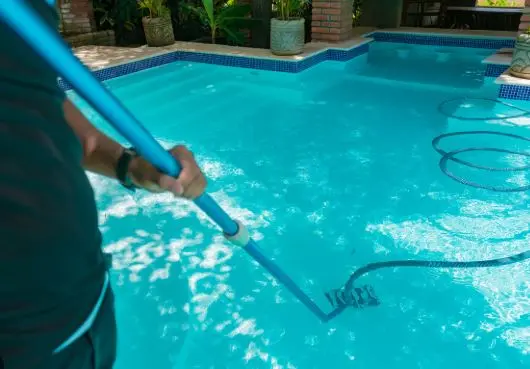
Steady weekly pool service for Fort Pierce homes year round.
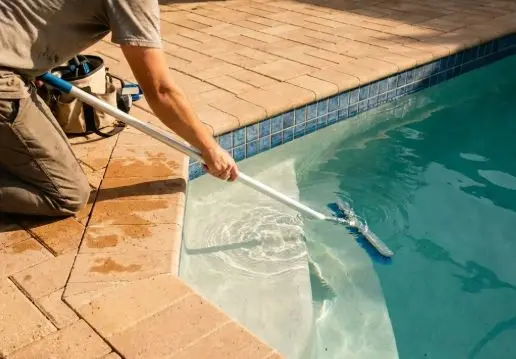
Monthly pool checkups for Fort Pierce owners who manage the in between care.
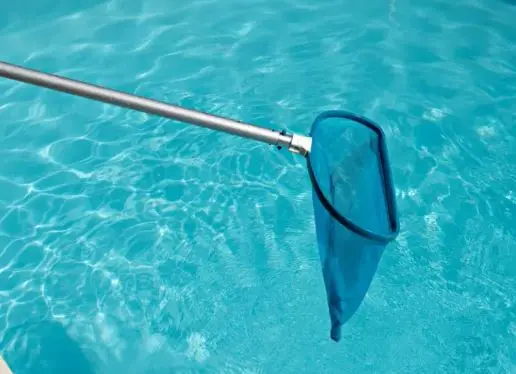
One time pool cleanings for Fort Pierce resets, rescues and rental turnovers.
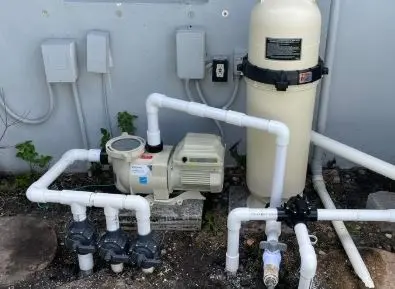
Salt cell cleaning and replacement for Fort Pierce and Treasure Coast pools.
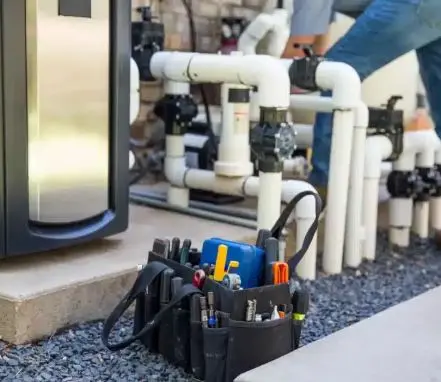
Pool pump, heater, salt cell and light repair for Fort Pierce homes.
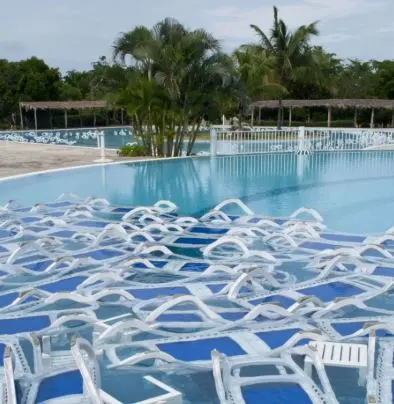
Hurricane season pool prep visits for Fort Pierce and the Treasure Coast.
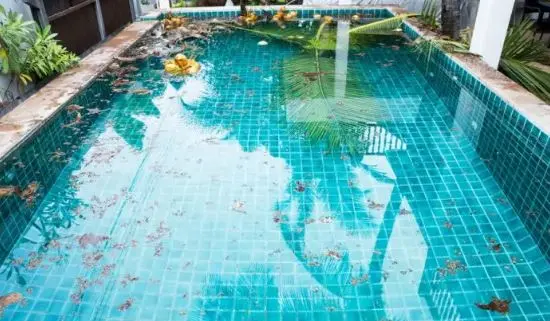
Post hurricane pool cleanup and damage reporting for Fort Pierce homes.
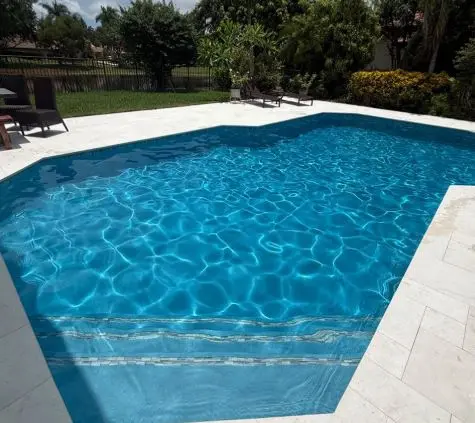
Stable pool chemistry tuned for Fort Pierce subtropical conditions.
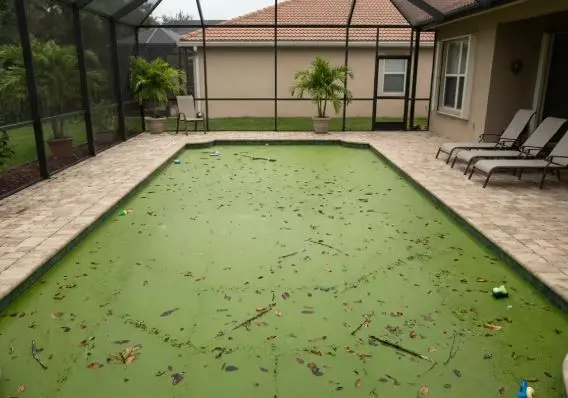
Algae treatment plans built for Fort Pierce subtropical pool conditions.
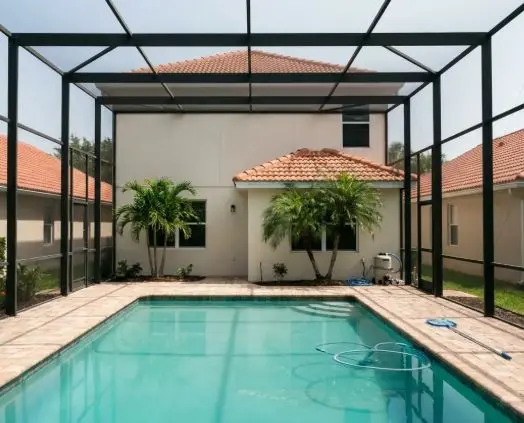
Screened lanai pool care tuned for Fort Pierce subtropical homes.
Frequently Asked Questions
Pool Maintenance can be complex, and we’re here to provide answers to common questions. Here are some frequently asked questions from our clients.
Frequently Asked Questions about Pool Service Fort Pierce
How often does a Fort Pierce pool need professional service?
Most Fort Pierce pools need weekly service all year because the subtropical climate keeps water temperatures high enough that chlorine demand never really drops. Year round UV, screen cage debris and salt air all push the chemistry around faster than in cooler markets, so weekly visits are the safest baseline for Treasure Coast homes.
Do you handle salt chlorine generator cells in Fort Pierce?
Yes, salt cell care is part of routine service for Fort Pierce pools. We test salt levels, inspect the cell for calcium scaling, run acid baths on a schedule that matches your usage and watch for early signs of corrosion from coastal salt air. We work on Hayward, Pentair and Jandy units across St. Lucie County.
What does hurricane pool prep cover on the Treasure Coast?
Hurricane prep covers everything you should not have to think about during a watch. We lower the water level the correct amount, shock the pool to prevent contamination, secure or remove loose equipment, shut down the salt system and document the pool condition for insurance. After the storm we come back to clean up debris, test water and restart equipment.
Can you take over a Fort Pierce pool that has turned green?
Yes, green to clean rescues are a regular part of our work in Fort Pierce. We test the water, identify the algae type, shock to the right level for the volume and run filtration with brushing until the water clears. Most pools come back inside three to seven days depending on severity and equipment condition.
Do you service screened lanai pools differently?
Screen enclosure pools in Fort Pierce see less direct UV, more pollen and a different debris pattern than open pools. We adjust chlorine demand testing, brush the cage screens during seasonal pollen events and watch for tannin staining from any plant matter that gets blown in. The chemistry approach is different and we tune for it.
Are your Fort Pierce pool technicians CPO certified?
Yes, our technicians complete CPO certification through the Pool & Hot Tub Alliance and stay current on manufacturer training for the main salt chlorine generator brands used along the Treasure Coast. CPO training covers water chemistry, sanitation, recirculation and safety, which is the baseline you should ask for from any Fort Pierce pool service.
Need Pool Maintenance?
What Our Satisfied Clients Have to Say About Fort Pierce Pool Maintenance
We pride ourselves on delivering great results and experiences for each client. Hear directly from home and business owners who’ve trusted us with their Pool Maintenance needs.

Our weekly pool service has been steady for two years now. The salt cell is finally clean, the water is balanced and we actually know what was done at each visit because the log shows up the same day. After three other companies in Fort Pierce, this is the first crew that has stuck.
Marcia D., Fort Pierce
They prepped our pool before the last hurricane and were back the next week to clean up the debris and rebalance the water. Smooth process from start to finish and the price was exactly what was quoted. Highly recommend if you live near the barrier island.
Brandon S., Hutchinson Island
We switched after our salt cell quit working and another company wanted a full replacement. This crew cleaned and tested it, found it was just heavy calcium buildup and saved us a few hundred dollars. Honest and easy to work with.
Lauren P., Port St. Lucie
The Trusted Pool Maintenance Expert Near You
Ready to hear more about expert services at Fort Pierce Pool Maintenance?
Contact us today to receive a detailed, no-obligation quote.

